11 Sep 2026
Examining How Artificial Intelligence Personalizes Gaming Experiences at Digital Casino Platforms
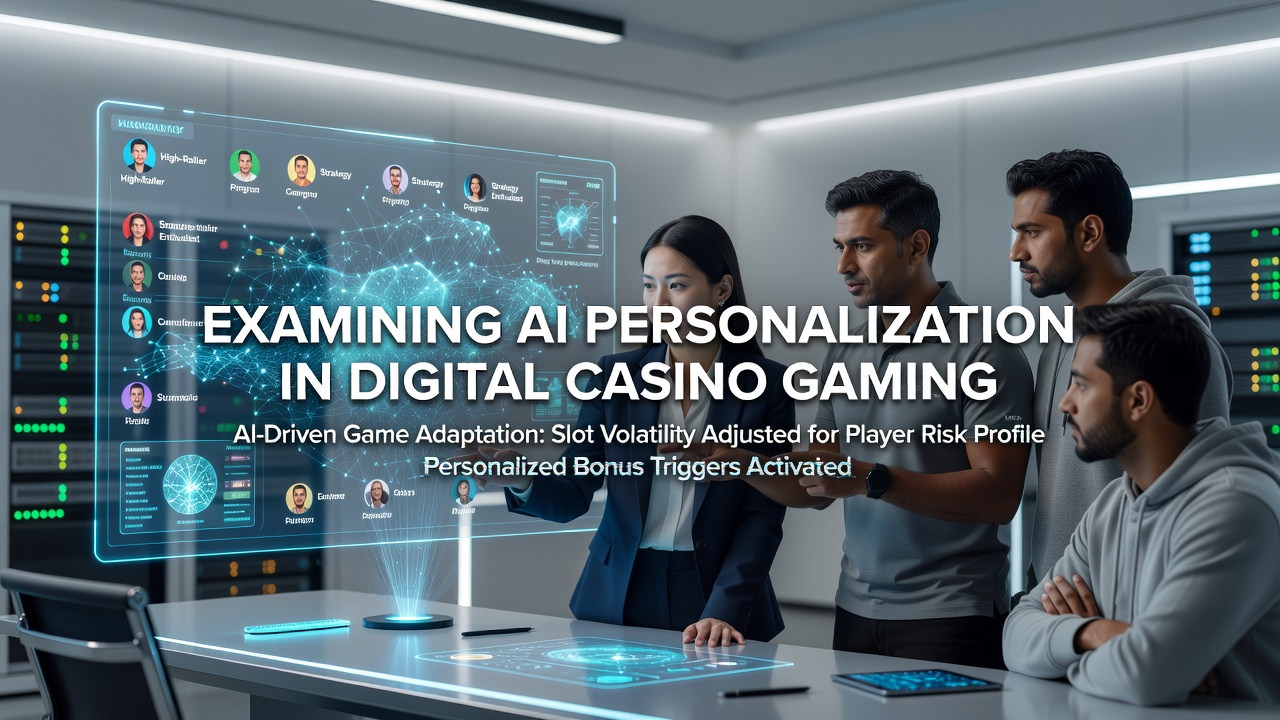
Digital casino platforms rely on artificial intelligence to tailor experiences for individual users through analysis of behavior patterns, preferences, and engagement metrics, and this approach has expanded significantly by September 2026 as operators integrate more advanced machine learning models into their systems. Researchers at institutions studying gaming technology have documented how these systems process vast datasets in real time to adjust game selections, bonus structures, and interface elements without requiring direct user input, while data from industry reports shows that personalization algorithms now influence over 70 percent of session interactions at major platforms.
Data Collection Mechanisms Driving Personalization
Operators gather information from player actions including game choices, session duration, bet sizes, and response times to various features, and artificial intelligence processes this input through neural networks that identify clusters of similar behavior across thousands of accounts. Studies from academic sources indicate that such models achieve accuracy rates above 85 percent when predicting future preferences based on historical data, while platforms apply clustering techniques to segment users into groups that receive customized content streams. One research project at a North American university revealed that continuous monitoring allows systems to update profiles every few seconds, which enables immediate shifts in displayed games or promotional offers during active play.
Game Recommendations and Content Adaptation
Artificial intelligence engines suggest specific titles by matching user profiles against aggregated performance data from similar players, and this matching occurs through collaborative filtering methods that weigh factors like volatility tolerance and theme preferences. Platforms using these engines report higher retention rates in regions where regulatory bodies such as the Nevada Gaming Control Board oversee operations, and evidence from platform analytics demonstrates that users encounter recommended games within the first minute of login in many cases. Observers note that content adaptation extends to visual elements as well, with algorithms altering color schemes or layout density based on detected engagement signals like click frequency and scroll depth.
Dynamic Bonus Structures and Reward Systems
Bonus offers adjust according to individual risk profiles calculated by predictive models that factor in deposit history and play frequency, and these adjustments happen automatically to align rewards with observed patterns. Reports compiled by the Australian Gambling Research Centre highlight how machine learning optimizes bonus timing to coincide with predicted drop-off points, while data from European operators shows that personalized free spin allocations increase completion rates by measurable margins compared to static offers. And yet the underlying process remains consistent across jurisdictions because algorithms prioritize mathematical probability models that balance operator margins with user continuation incentives.

Live Dealer and Real-Time Interaction Adjustments
Live dealer environments incorporate artificial intelligence to modify game pace, camera selections, and dealer interactions based on detected player engagement levels, and this occurs through integration with computer vision systems that track facial expressions and posture changes during sessions. Research published in gaming technology journals describes how these systems maintain session flow by speeding up or slowing down rounds when attention metrics decline, while platforms in regulated markets like those overseen by Canadian provincial authorities have adopted similar tools. Players often experience seamless transitions because the AI coordinates multiple data streams simultaneously, including chat sentiment analysis and betting rhythm, to sustain immersion without explicit commands.
Emerging Trends Observed in September 2026
By September 2026 industry conferences showcased new hybrid models combining reinforcement learning with generative AI to create entirely new game variants tailored to micro-segments of users, and early deployments indicate reduced development cycles for custom content. Figures from the International Association of Gaming Regulators reveal increased adoption of these methods across multiple continents, whereas academic reviews note that privacy-preserving techniques such as federated learning now appear in several major implementations to handle data without centralizing sensitive records. What's interesting is that these advancements build directly on earlier personalization frameworks, allowing operators to refine existing systems rather than replace them outright.
Conclusion
Artificial intelligence continues to shape personalization at digital casino platforms through systematic analysis of player data and adaptive response mechanisms, and the developments documented through September 2026 demonstrate ongoing refinement across recommendation engines, bonus systems, and live interactions. Evidence from regulatory and academic sources confirms that these technologies operate within established frameworks while expanding capabilities for individual user alignment, which produces measurable differences in engagement metrics across tested implementations.